 photo
photo


The Sphinx of Zadar
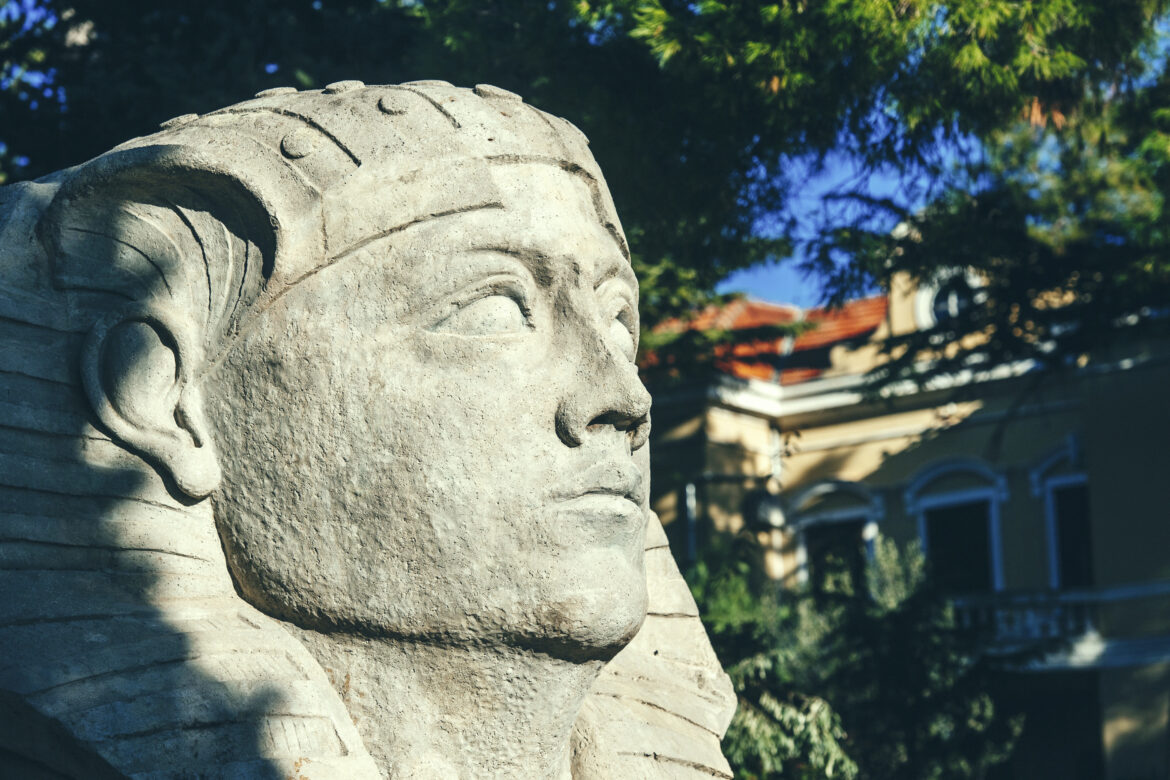
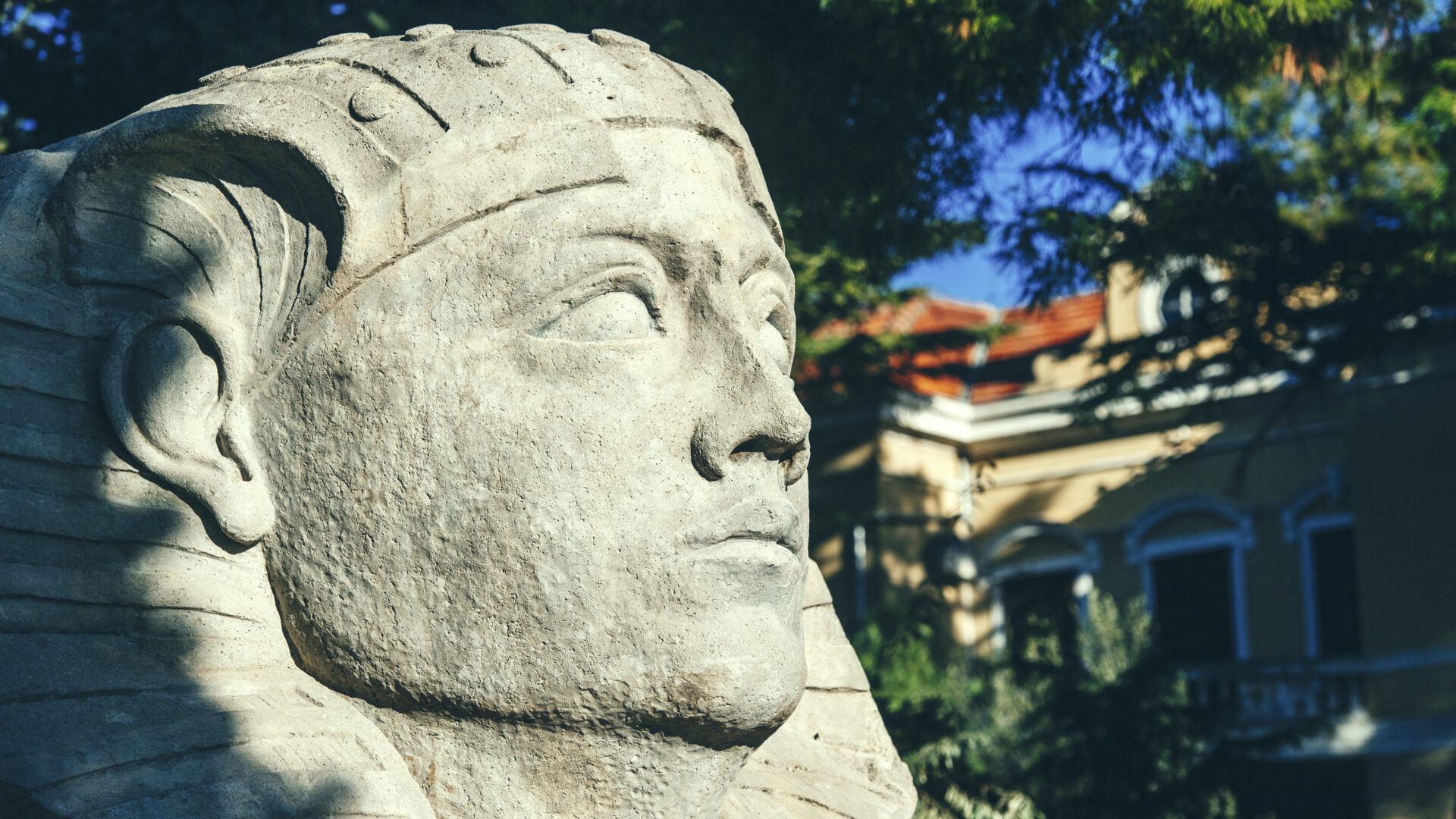
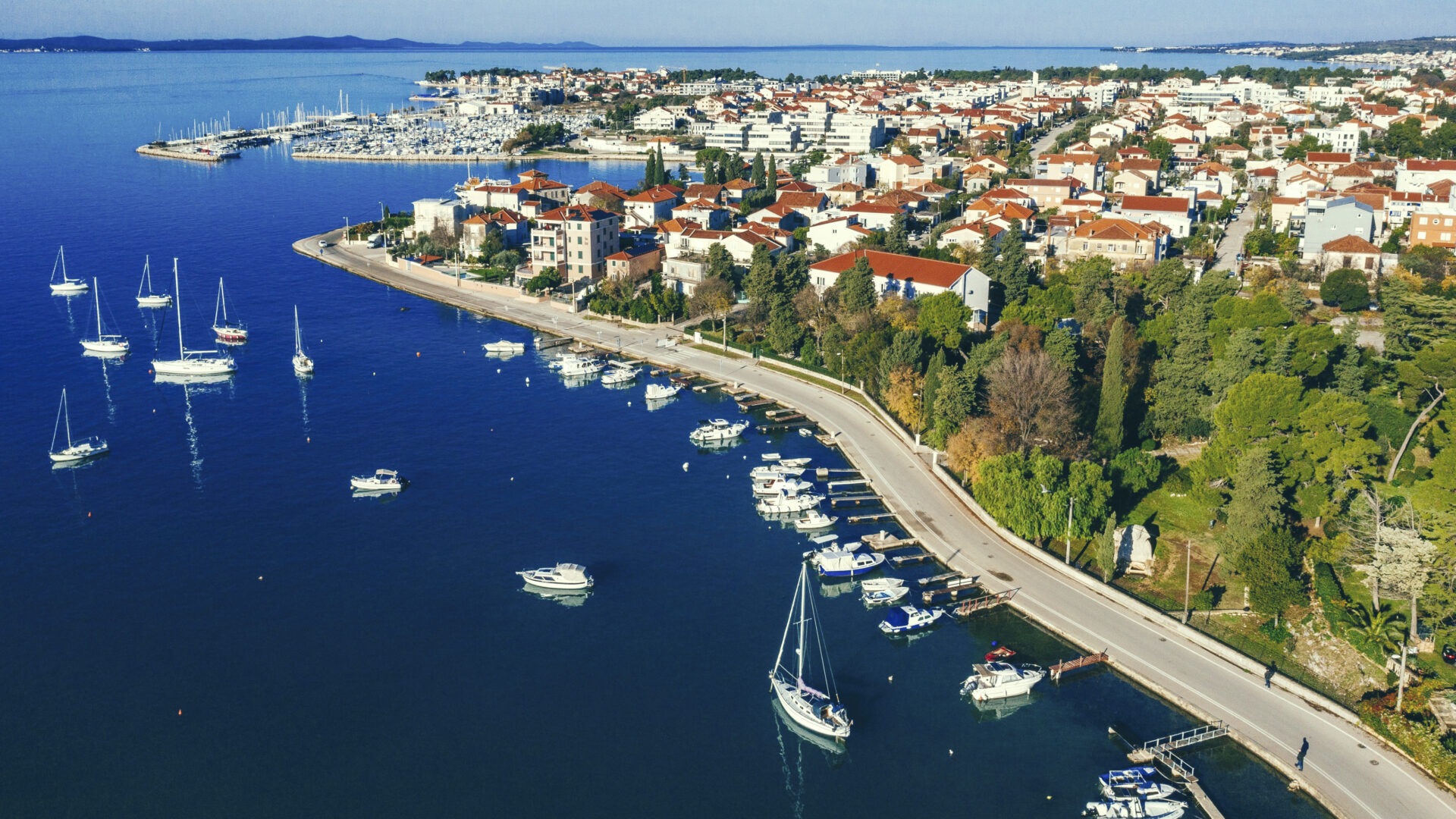
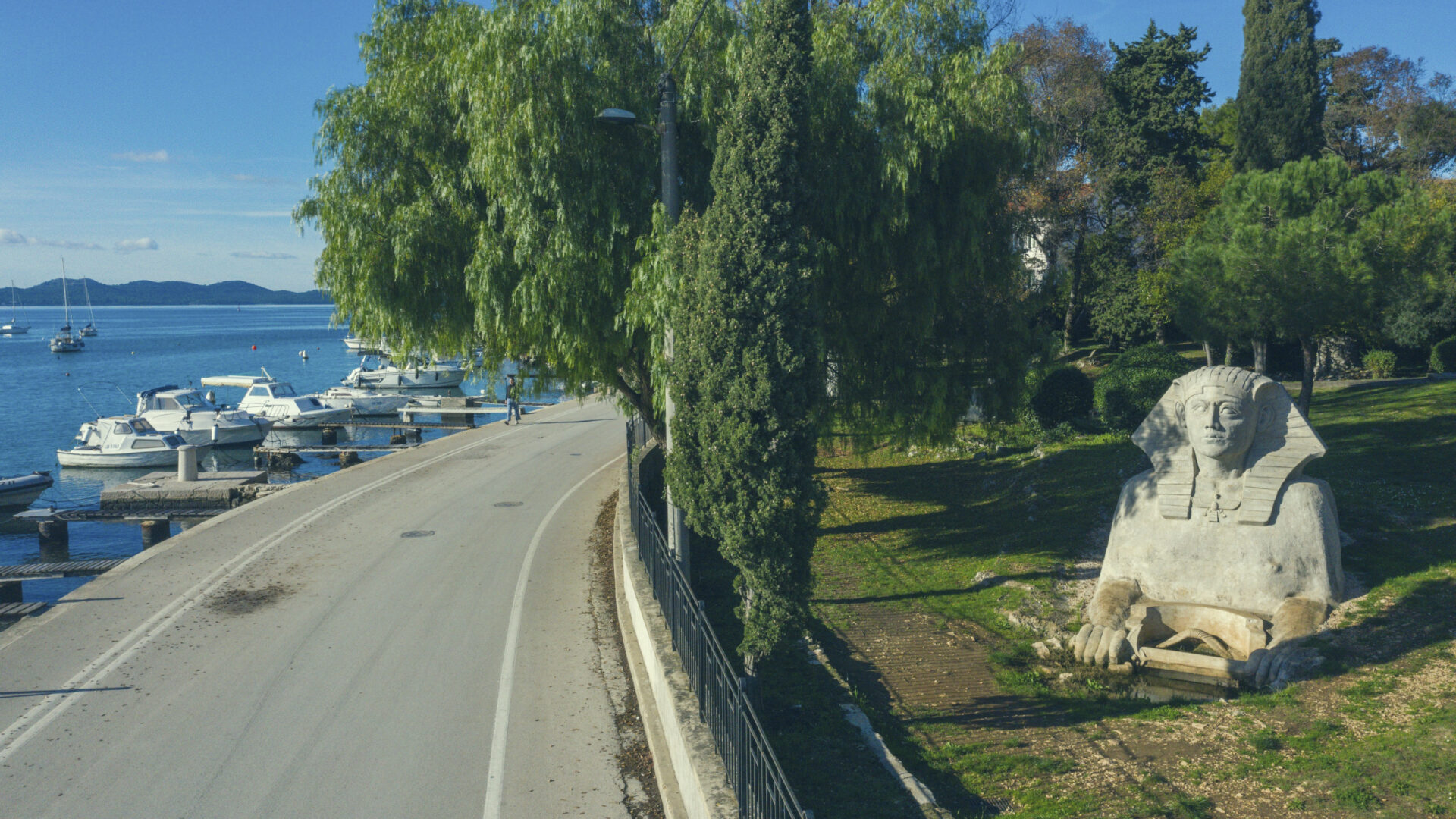
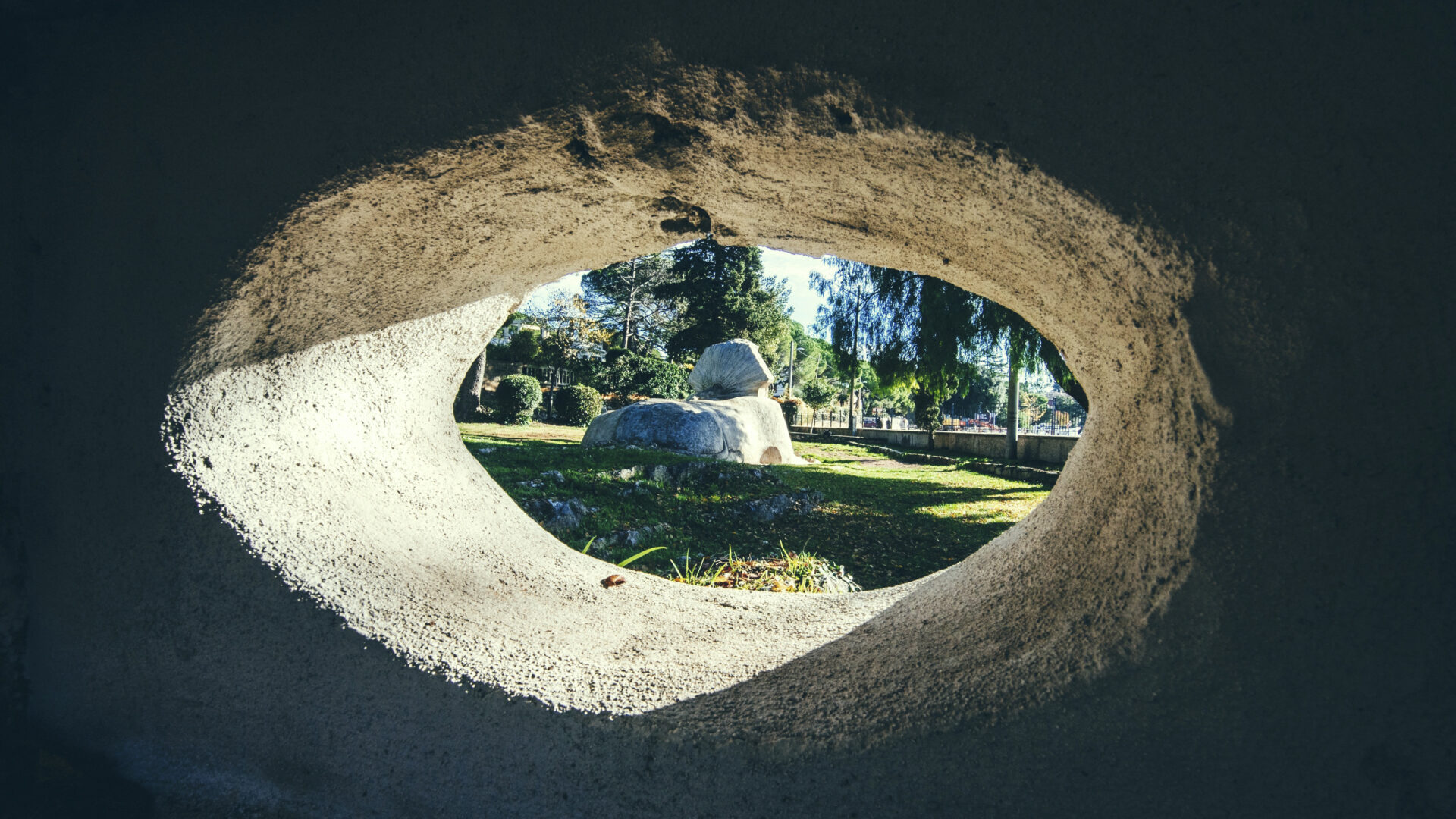
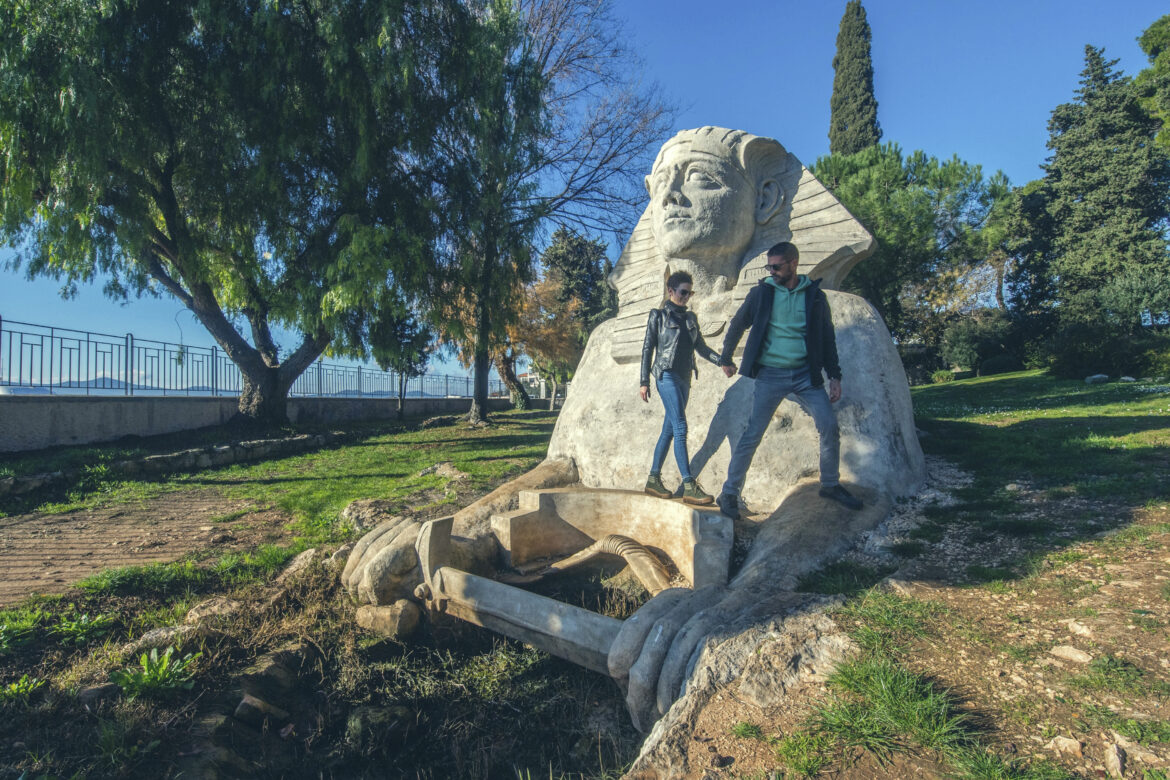
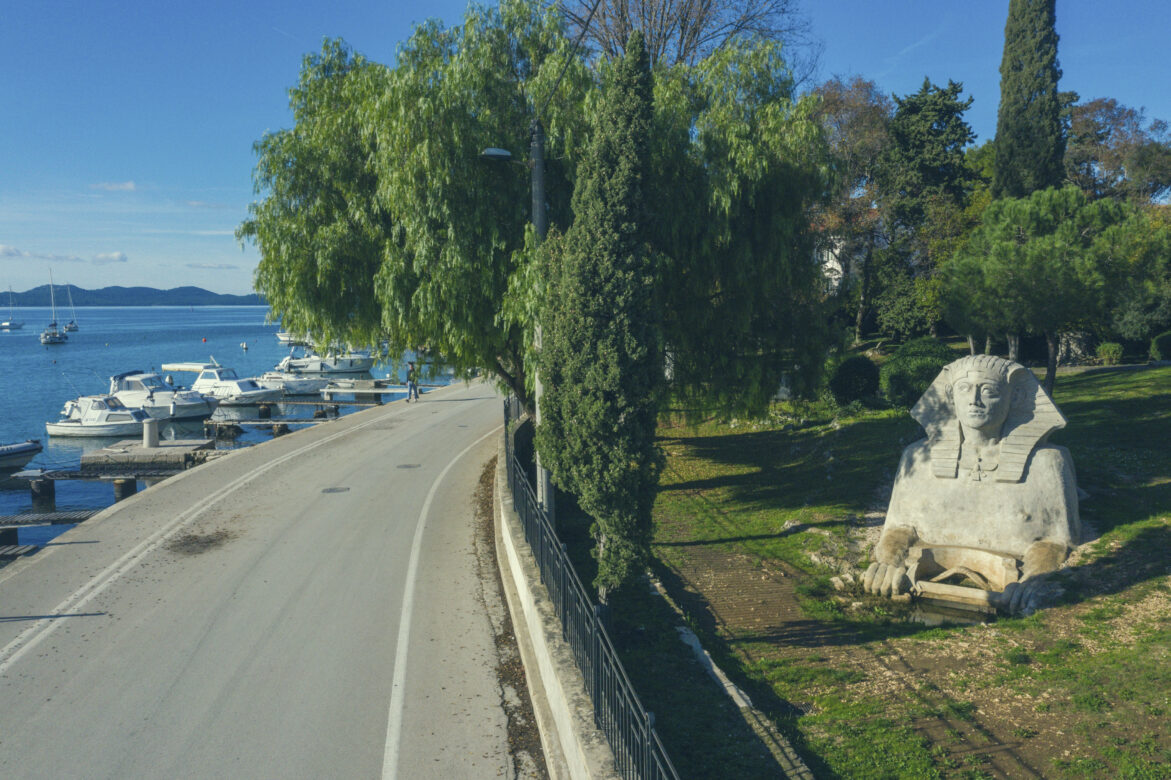
In the peaceful park of Brodarica in Zadar, hidden among pine trees and overlooking the sea, lies one of the city’s most unusual and mysterious monument – the Zadar Sphinx. Far from tourist routes and the hustle and bustle of the city, this monumental sculpture seems like a sudden encounter with a myth. This silent phenomenon watches over the space and stimulates the curiosity of passers-by.
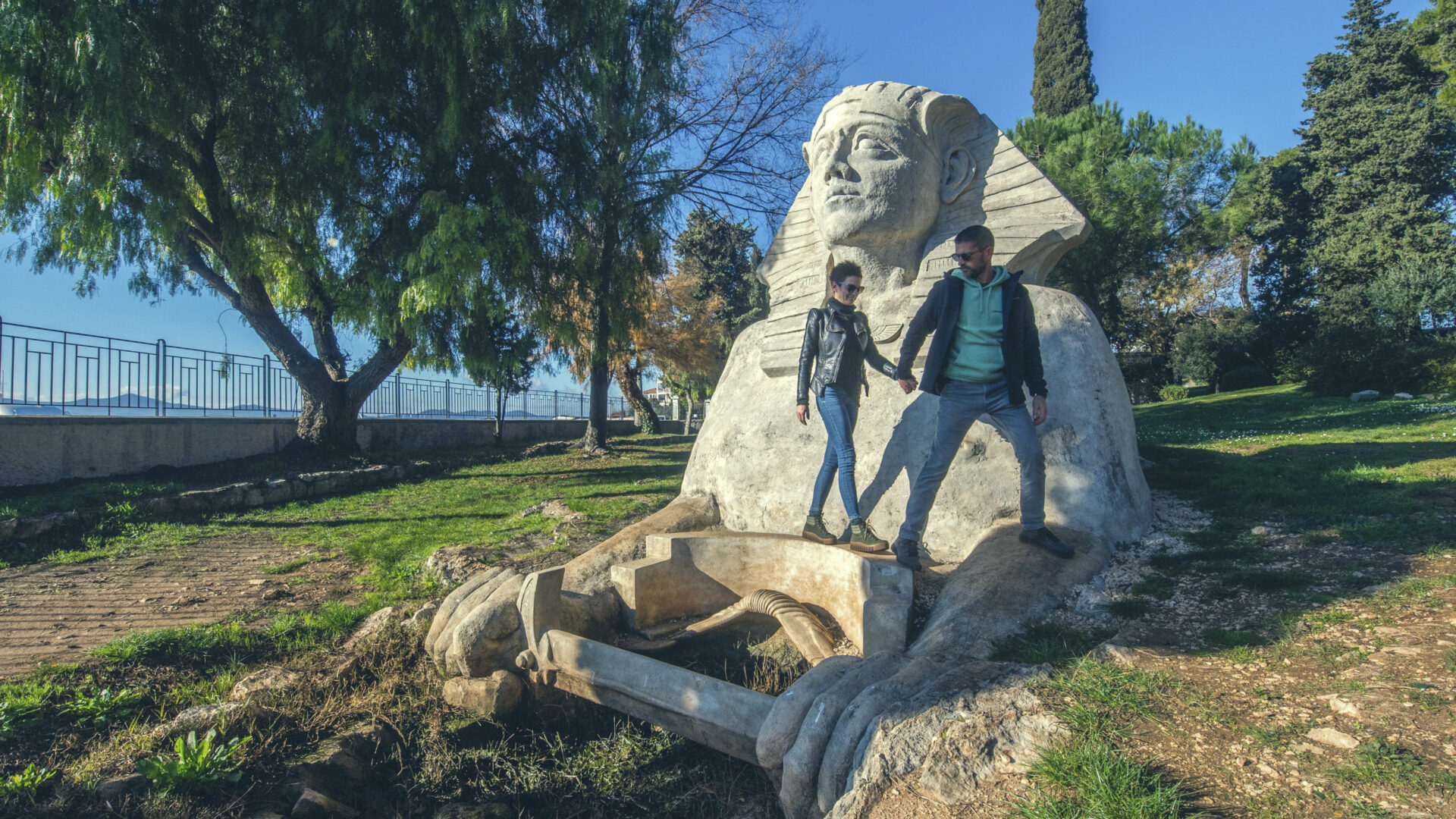
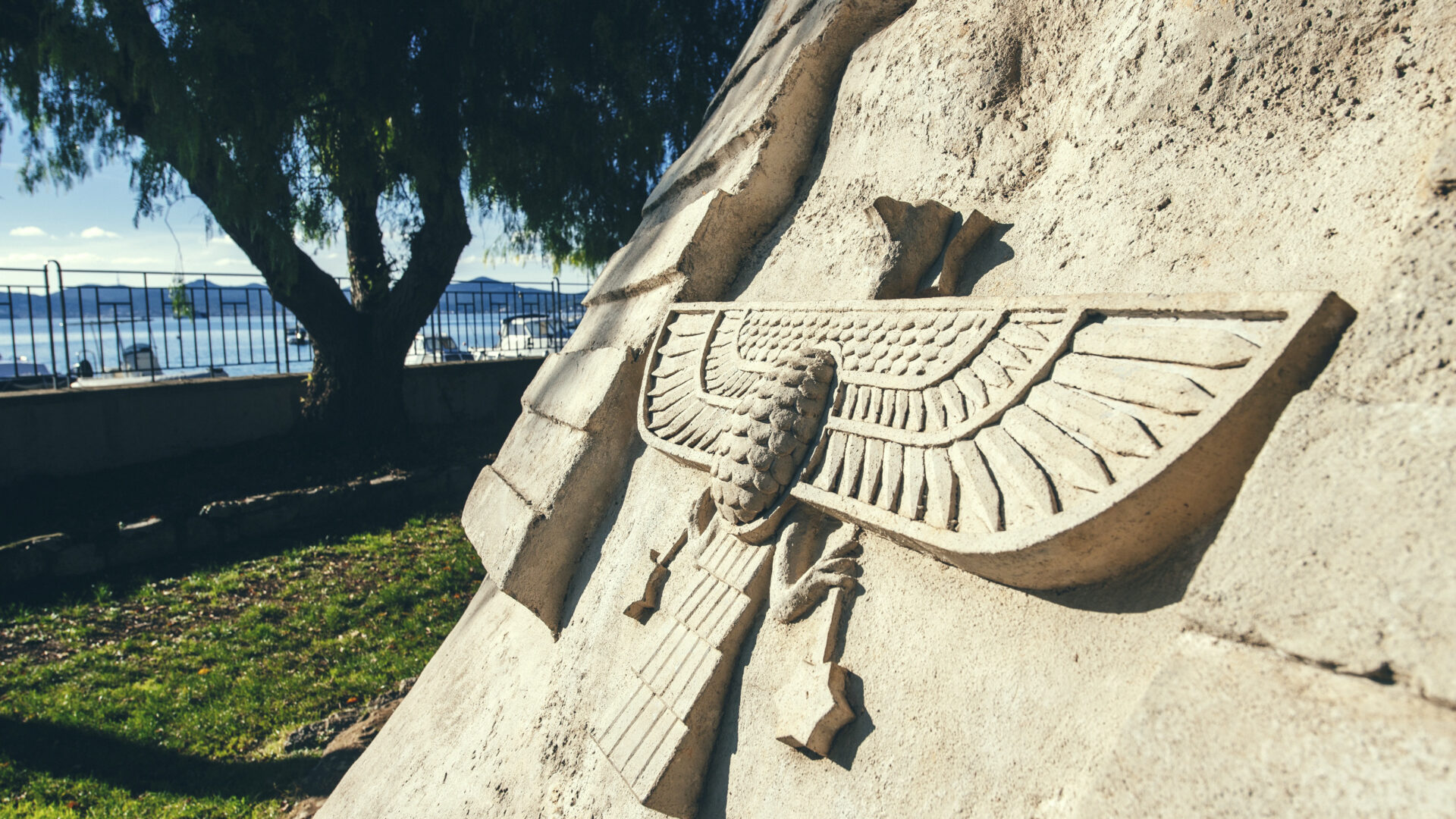
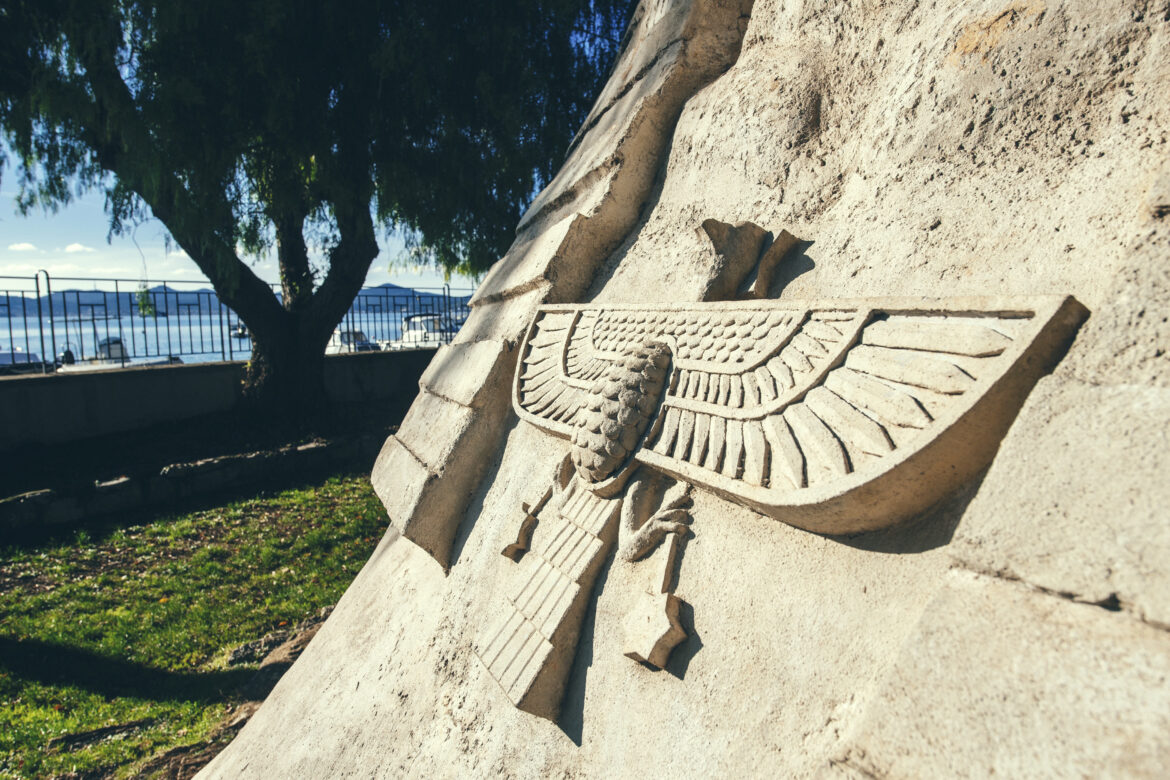
The Sphinx was erected around 1918 by the Zadar painter and conservator Giovanni Smirich, inspired by mythology, symbolism, and oriental motifs that strongly influenced European art at the time. Made of concrete, the Zadar Sphinx is the largest such sculpture in Europe: almost five meters long and about three meters high, with human hands holding a sword, stylized hieroglyphs on its head, and a relief eagle on its chest. It faces southeast, like its Egyptian inspiration, further emphasizing its symbolic connection to ancient civilizations.
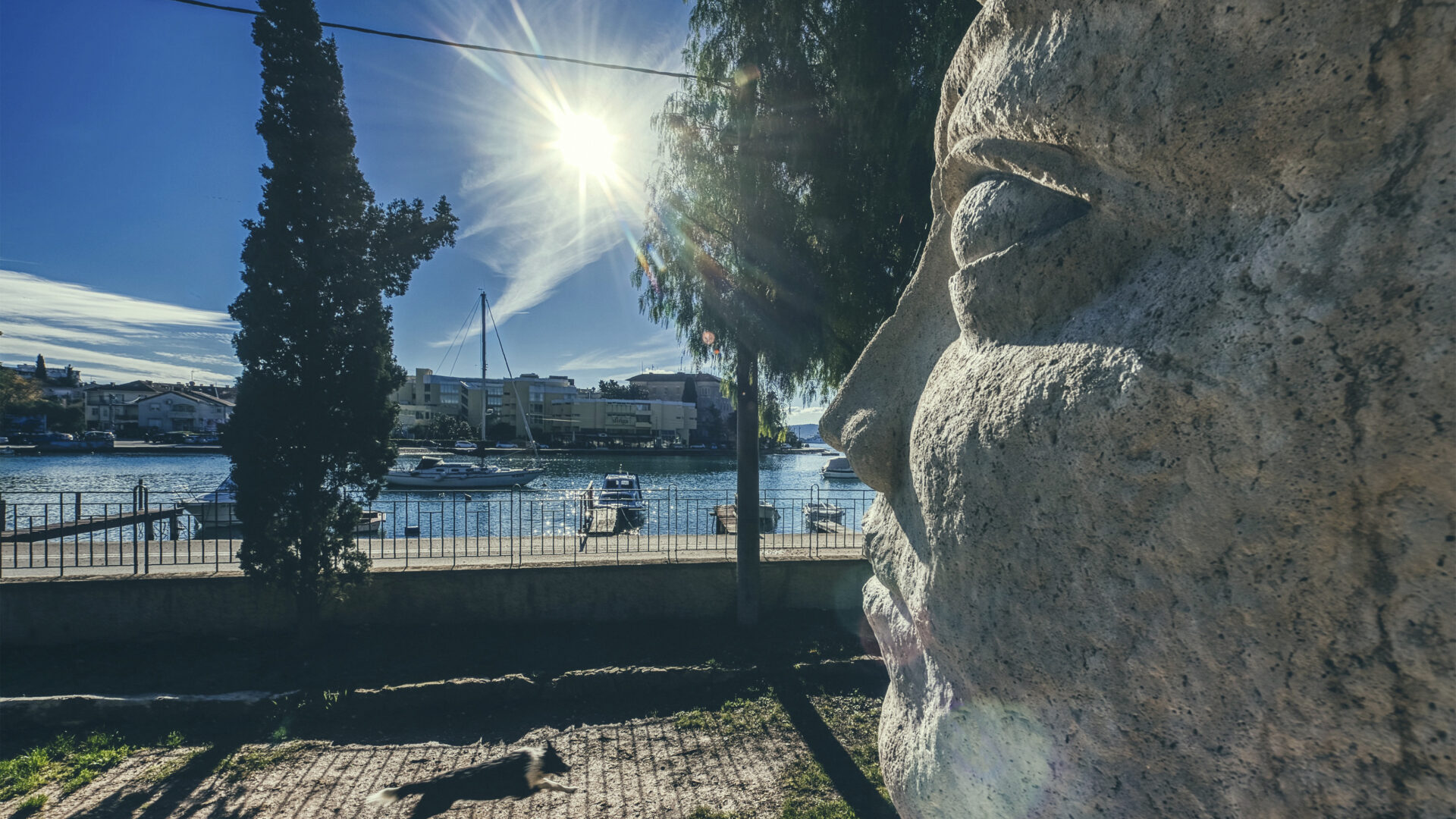
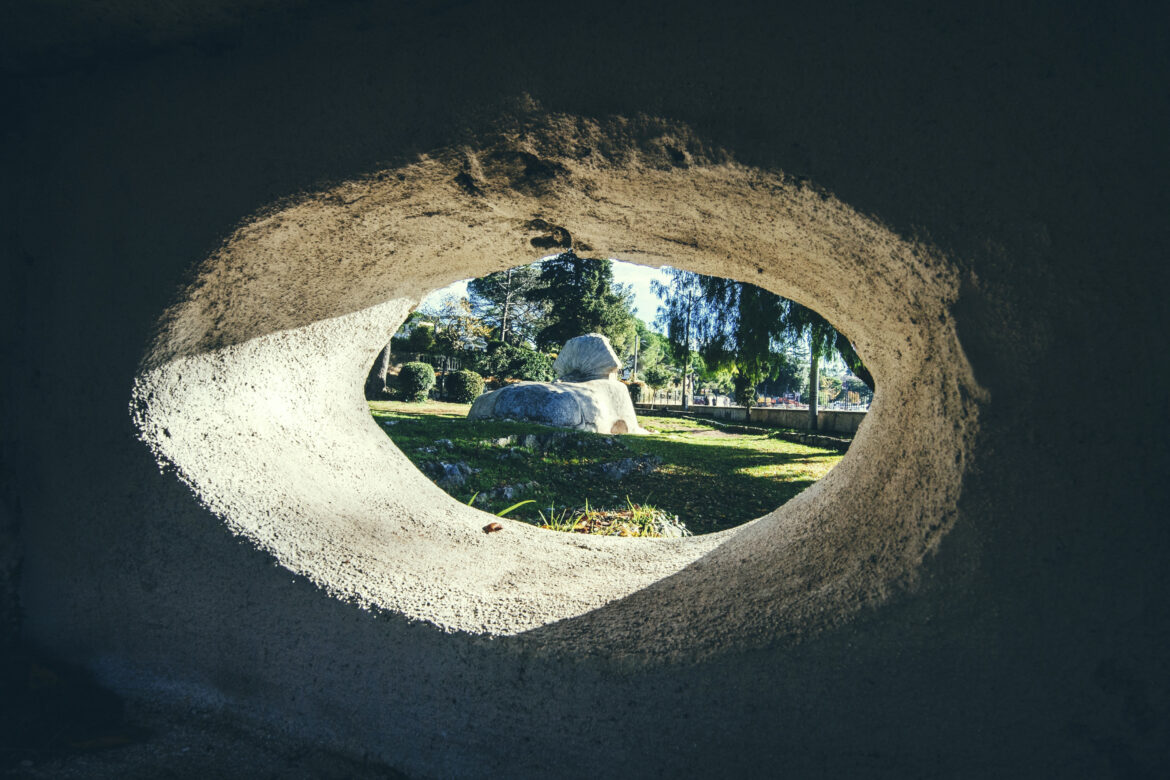
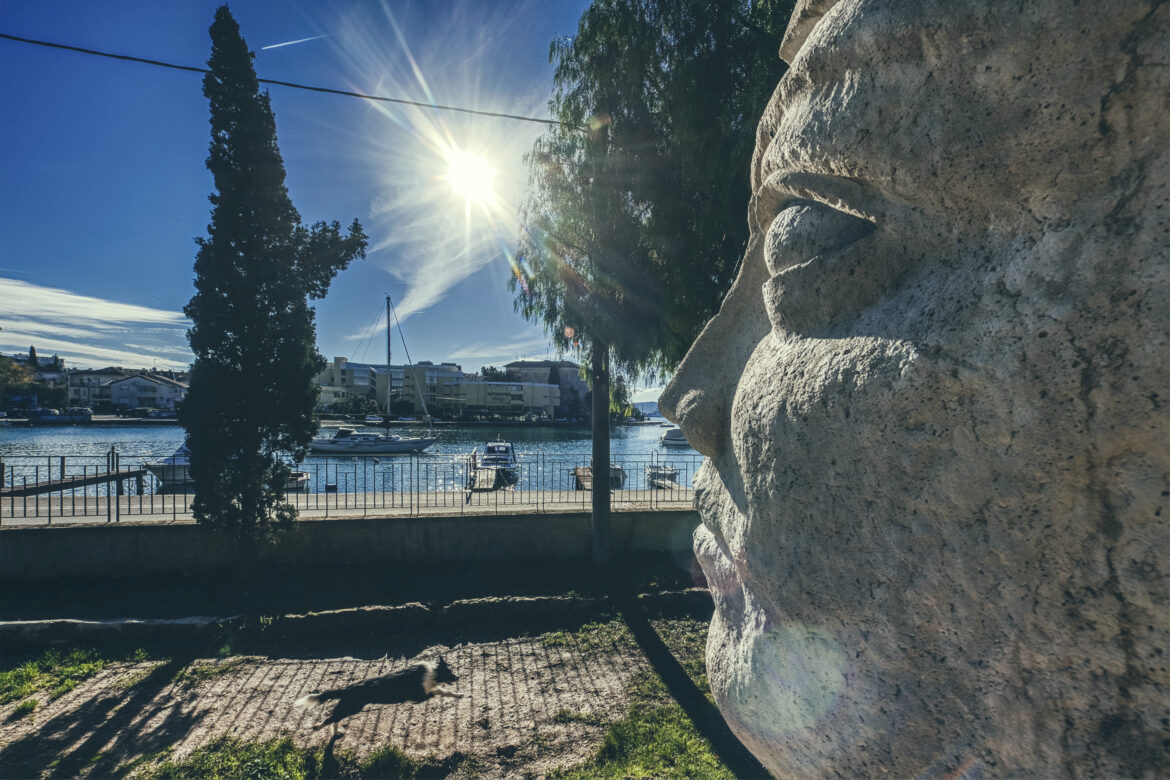
The most widespread legend says that Smirich created the Sphinx in memory of his wife, Atillia, who died prematurely, whose face, according to tradition, is hidden in the sculpture’s features. It was this story that inspired the belief that the Sphinx fulfills the love wishes of those who turn to it. Over the decades, other stories have been woven around it – about hidden rooms, secret passages, and buried treasure – but research has shown that the sculpture lacks an internal cavity.
However, the real secret of the Zadar Sphinx lies not in the hidden space, but in the layers of meaning it carries. Today, it still silently watches over the park, a combination of personal grief, mythological symbolism, and urban legend.
In its stillness, a story about love and memory and the human need to imprint emotions in space – into a sign that survives time and oblivion.